
Composting 101: Everything You Need To Know
Composting doesn't have to be complicated. KC Can Compost makes it simple through residential and community composting services in the Kansas City region. We know that figuring out what belongs in your compost can feel confusing, especially when guidelines vary depending on where you live and how materials are processed.
The good news? The basics are easy to learn.
Let’s break down what composting is, what belongs in your compost, and how food scraps can become something good.
Composting can fit into your life.
Whether you're composting at home, running a business, or planning an event, KC Can Compost offers options to help keep food scraps out of the landfill and put them to work.
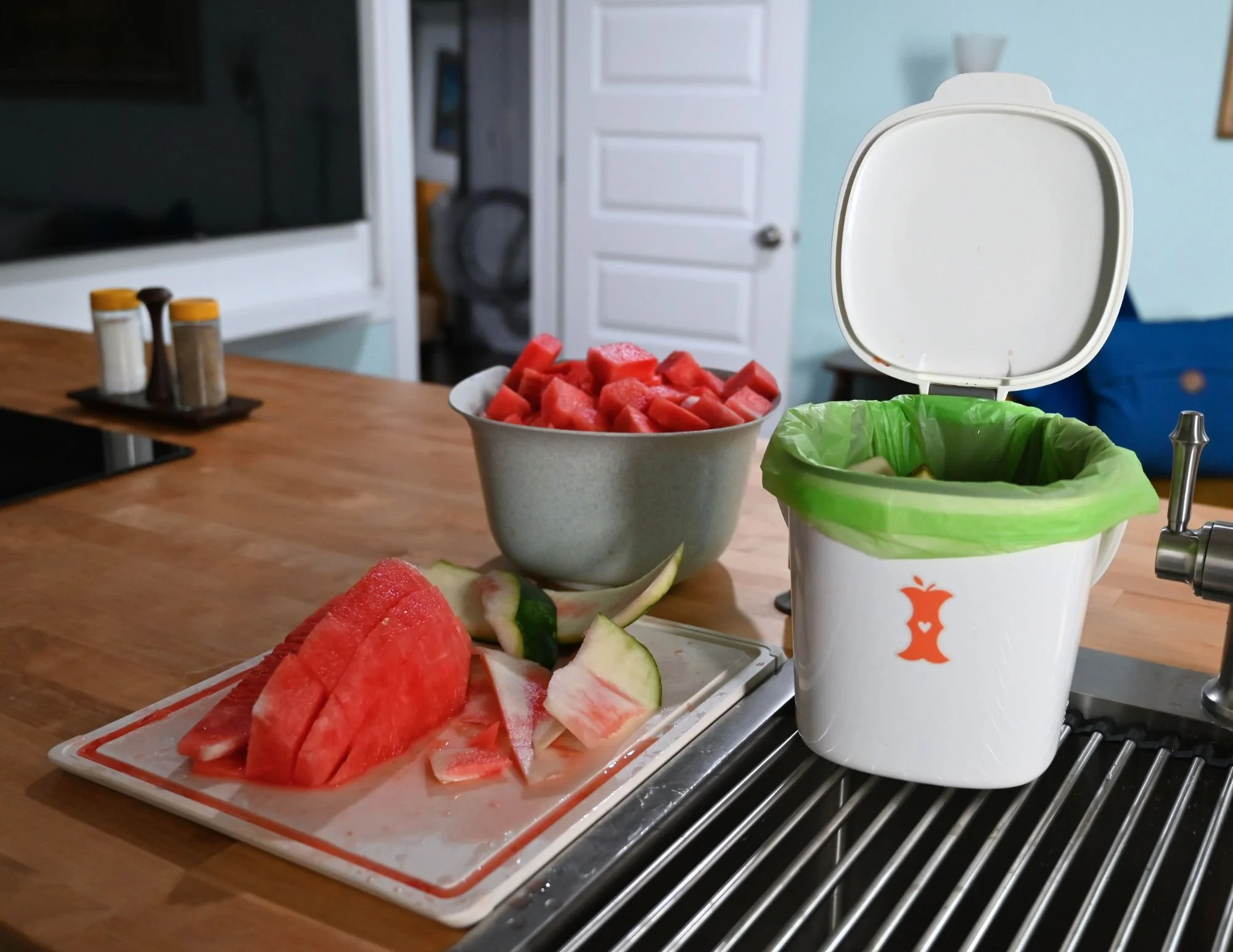
Think composting is messy? Think again.
Composting can be clean, simple, and easy to manage. With a few basic habits, collecting food scraps can become an easy part of your everyday routine.
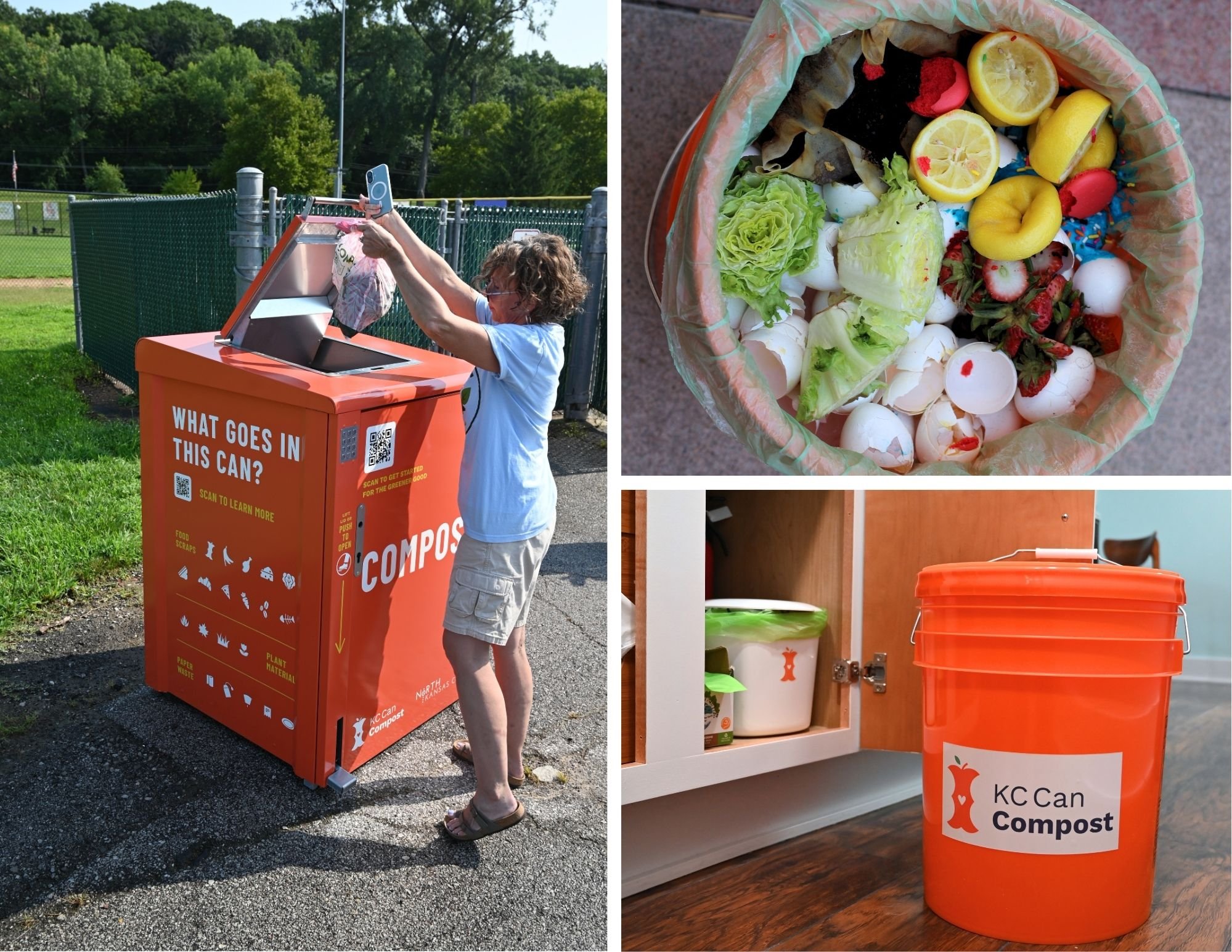
What is composting?
Composting is the natural process of turning food scraps and other organic materials into nutrient-rich compost that can be returned to the soil. Instead of treating these materials as waste, composting gives them another life by breaking them down and turning them into something useful.
Think of it as nature’s way of recycling. Food scraps go in, microorganisms do the work, and valuable nutrients come back to the soil. Compost can then be used to support healthy soil, plants, gardens, farms, and green spaces.
What can I compost?
You can compost a lot more than just fruits and vegetables. What you can compost depends on how the material will be composted.
A backyard compost pile may need different materials than a commercial composting facility. Commercial composting facilities can handle a wider range of food scraps and organic materials under controlled conditions.
KC Can Compost collects food scraps from homes, businesses, and events and takes them to commercial composting facilities and farm sites, where they are transformed into nutrient-rich compost.
That means items like meat, bones, dairy, coffee grounds, leftovers, food-soiled paper, and certain certified compostable products can be accepted through our program.
The most important rule: Always follow the guidelines for the composting program you use. If you don't know, don't throw!
Why does composting matter?
Food scraps are valuable resources, but when they end up in a landfill, they can produce methane as they break down. Composting gives those nutrients another path—back to the soil instead of to the landfill.
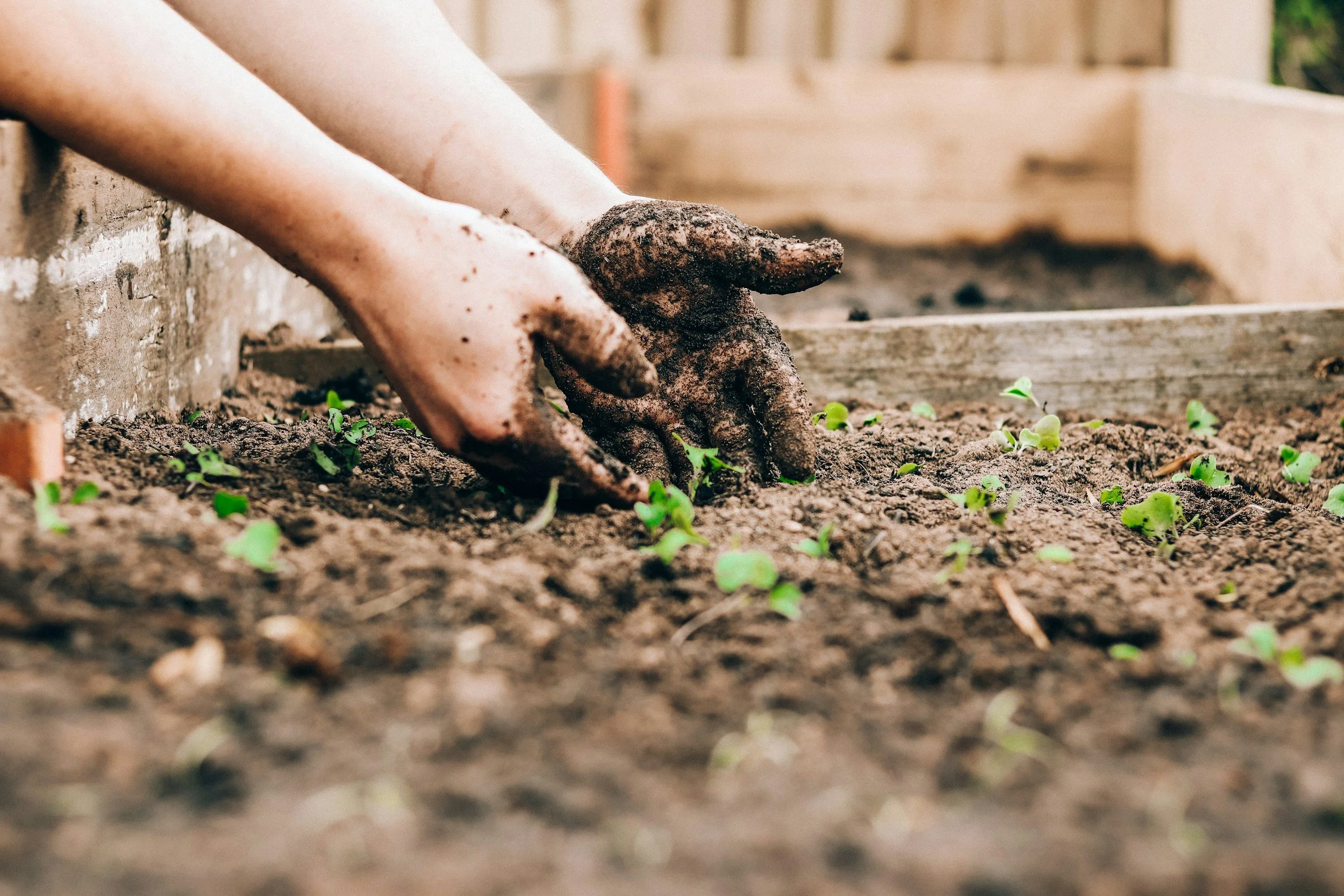
Compost adds nutrients and organic matter to soil, helps soil hold water, and supports healthier plants, gardens, farms, and green spaces. By composting, we can reduce the amount of organic waste sent to landfills while putting those resources back to work.
Composting turns something we think of as waste into a resource.
What happens to my food scraps?
Once food scraps are collected, they are taken to commercial composting facilities and farm sites, where they are processed and transformed into nutrient-rich compost. At KC Can Compost, the food scraps we collect are diverted from the landfill and put to work supporting healthier soil and a healthier community.
But the impact doesn't stop with the compost.
KC Can Compost also connects composting with Green Core Training, our environmental literacy, work readiness, and green jobs training program. Through the program, students learn about environmental issues, explore green career pathways, build workplace skills, and receive support finding employment in the green economy.
So when you compost with KC Can, you're not just keeping food scraps out of the landfill. You're helping create healthy soil, support environmental education, and build pathways to green jobs in our community.